


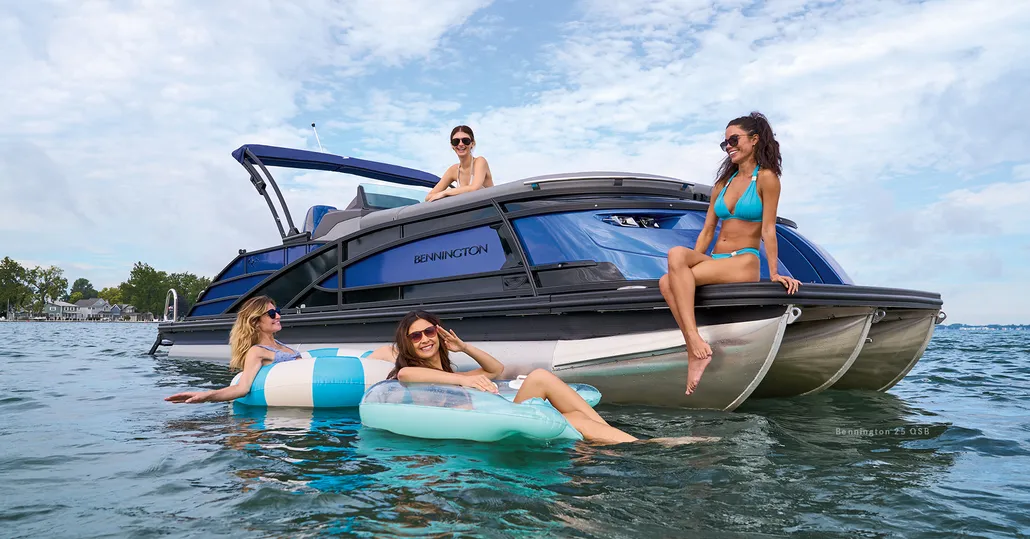
Summertime in North Texas means long, sunny days perfect for making memories on Lake Lewisville or Grapevine Lake. But anyone who has spent July or August in Dallas-Fort Worth knows that the Texas heat is no joke. Out on the open water, your boat acts like a mirror, reflecting intense sun and heat straight back at your family.
To keep everyone comfortable, protect your passengers from heat exhaustion, and shield your boat's interior from sun damage, a little smart summer planning goes a long way. Here is how to keep your crew cool and your boat protected when the Texas summer peaks.
1. Keep Your Crew Cool and Comfortable
Treating a hot-weather lake day with a bit of extra care ensures that everyone—especially the captain—stays sharp and has a blast.
- Get the Shade Up Early: Don't wait until everyone is already hot and uncomfortable to open up your sunshade. Roll out your bimini top or sun extensions as soon as you clear the boat ramp. Sitting under a canopy can drop the temperature in the seating area by up to 15°F, providing immediate relief from the direct sun.
- Pack Plenty of Fresh Water: A good rule of thumb is to pack at least one gallon of fresh water per person for a full afternoon on the lake. Keep a dedicated cooler packed with fresh ice just for water, keeping it separate from sugary sodas or alcoholic drinks. Remind the kids to take regular hydration breaks every 45 minutes.
- Towel Off Regularly: Leaving damp swimsuits sitting directly on hot marine vinyl creates a sticky, high-humidity layer that can break down the upholstery's stitching over time and invite mildew. Keep fresh, dry towels handy in a clean storage bin to swap out wet gear throughout the day.
2. Shield Your Boat’s Interior From Sun Damage
Modern boat interiors are tough, but the combination of intense Texas sun, high heat, and everyday chemicals can cause your vinyl seats to dry out, yellow, or crack prematurely if left unprotected.
- Watch Out for Sunscreen Stains: Spray sunscreens are great for convenience, but they contain oils and chemicals that can bake into your boat's vinyl, stripping out the natural softeners and causing the material to harden and crack. Make it a family rule to apply spray sunscreen exclusively on the rear swim platform away from the seats, and immediately wipe off any accidental overspray.
- Apply a Quality UV Protectant: Regularly treat your boat's seats with a premium marine protectant that includes built-in UV blockers. Avoid greasy, silicone-based sprays, which can trap solar heat and actually make the vinyl surfaces hotter to the touch.
- Let Your Storage Lockers Breathe: At the end of a long lake day, resist the urge to throw wet life jackets, tow ropes, and pool noodles directly into your under-seat lockers and seal them up. Stowing wet gear in a dark, hot locker triggers rapid mold and mildew growth. Use ventilated storage bags or let your gear dry fully in the sun first.
3. Watch Your Batteries and Engine Coolant
Extreme summer temperatures put extra stress on your boat's engine cooling tracks and electrical systems, requiring a watchful eye at the helm.
- Manage Your Power Supply: Floating in a quiet cove with the engine off while running a premium sound system, water pumps, and digital screens can drain your battery banks faster than you think. Summer heat makes boat batteries less efficient at holding a charge. Keep an eye on your dashboard voltmeter, and if it dips down toward 12.2V, crank up the engine to let the alternator recharge the system.
- Let the Cockpit Vent Before Covering: When you return to the marina or park your boat in its storage slip, don't throw a heavy, non-breathable mooring cover over a damp interior right away. Trapping that humid air inside a hot hull creates a greenhouse effect that can corrode sensitive wiring behind your dashboard. Let the boat air out completely in a shaded area first.
- Rinse Away Lake Silt Immediately: North Texas lakes carry fine silt and minerals that can bake onto your boat's shiny gelcoat within hours of pulling it out of the water. Flush your engine with fresh water and give the exterior hull a thorough rinse right after trailering to stop permanent water spots and mineral scaling in their tracks.
Frequently Asked Questions
Can I cover my boat right after a hot day on the lake? It is best to let the boat air out first. Sealing a hot, damp cockpit under a tight cover traps extreme moisture inside your storage lockers. This leads to rapid mildew growth, breaks down upholstery glues, and can ruin the electronic connections behind your dash.
What is the easiest, most affordable way to beat the heat on a standard dayboat? The most effective upgrade is expanding your boat's shade layout with a matching bow or stern canopy extension. Pair that with a dedicated, well-insulated cooler kept strictly for fresh drinking water so your crew stays cool and hydrated all day.
Expert Marine Service & Premium Care Products
Keeping your boat's engine, vinyl, and electronics protected from the elements is the key to worry-free summer cruising.
- Professional Detailing & Restorations: If the hot Texas sun has left your gelcoat looking dull, chalky, or covered in stubborn water spots, skip the harsh household cleaners. Schedule a professional deep-clean and polish with the specialists at our local Service Center.
- Factory-Direct Cleaning Supplies: Stop by our fully stocked Parts Center in Lewisville to pick up specialized marine vinyl cleaners, UV protectants, replacement water pumps, and high-quality safety gear to keep your boat in prime condition.
- Outboard Engine Modernization: If your older engine is struggling to start in the summer heat or lacks modern digital fuel efficiency, explore our authorized Yamaha Repower options to restore your peace of mind on the water.
Financial Support & Trading Your Fleet
Can I finance tech upgrades or interior electronic overhauls for my boat? Our on-site Financing department builds simple, customized payment plans. We can seamlessly bundle your chosen boat upgrades, custom technology overhauls, and premium Marine Insurance protections into a single monthly investment.
How can I trade in my current watercraft for a newer model? We offer straightforward, transparent appraisals to help you bypass the stress of selling your boat privately. You can submit your current boat's details to our Sell / Trade division and apply that value directly toward our premium inventory of New Boats or fully inspected Used Boats.
How do I get in touch with the team at Phil Dill Boats? To learn more about our 70-year history of serving North Texas boaters since 1953, visit our About Us page. You can track our upcoming safe-boating clinics on our Events calendar, read helpful maintenance articles on our Blog, see verified family stories on our Reviews directory, or meet our team on our Staff index. To explore your long-term warranty options, view our Extended Service Contracts page, check our latest seasonal promotions on our Specials section, or see showroom maps and holiday operating hours on our main Contact hub.