


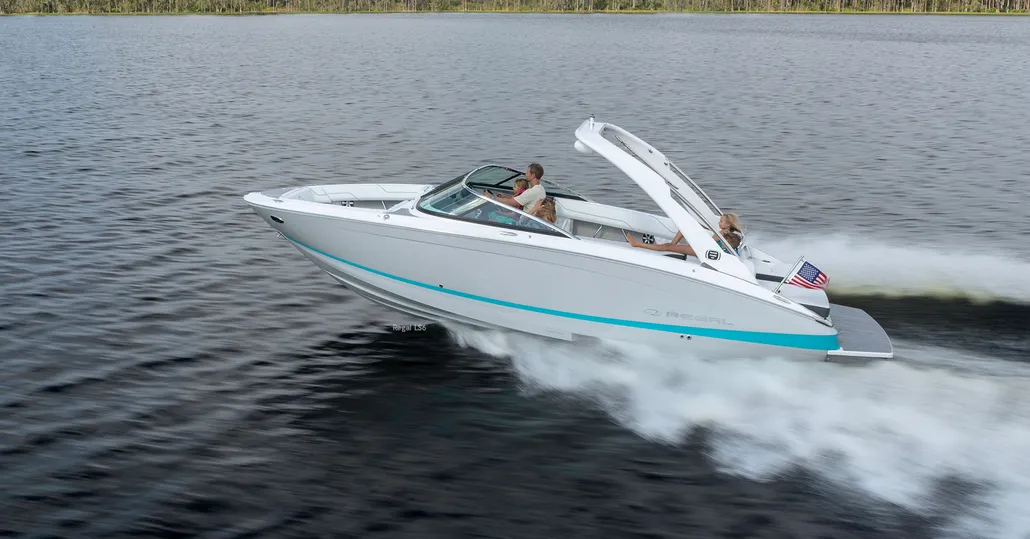
Executing a disciplined, systematic pre-departure checklist during the initial ten minutes after your vessel leaves the trailer or slip is your primary defense against preventable operational failures. Along the North Texas waterways, a casual "everything seems fine" assumption can quickly transform into a high-stress mechanical emergency or an expensive towing bill on a crowded Lake Lewisville afternoon. Implementing a rigid tracking routine allows DFW captains to verify structural, electrical, and propulsion continuities under low-stress conditions before throttling up to cruising speeds.
By breaking down your initial launch phase into four specific operational intervals, you can establish an accurate mechanical baseline for every single voyage.
Interval 1 (Minutes 0–2): Secure Channel Clearance & Responsiveness Tracking
The primary objective immediately following engine ignition is clearing the immediate vicinity of the launch lanes to prevent shoreline congestion and maintain a safe perimeter from other trailering watercraft.
- Immediate Disengagement: Back off the trailer or exit your slip at a controlled idle. Do not linger in the active launch lane to sort through personal gear or adjust bimini tops.
- Dynamic Feedback Diagnostics: The moment your hull enters deeper water, execute short, deliberate steering inputs to the port and starboard. Confirm that your helm fluid pressure is immediate, that your steering linkages respond without mechanical play, and that your throttle detents engage cleanly without binding.
Interval 2 (Minutes 2–5): Core Instrumentation and Mechanical Diagnostics
Once you have established a safe headway outside the primary navigation channel, bring your attention to the helm station to run a comprehensive system sweep. This diagnostic window allows you to identify minor electrical or cooling anomalies before they escalate under load.
- Instrumentation Parameters: Analyze your gauge cluster or digital display metrics. Verify that your engine operating temperature stabilizes within factory parameters, that your alternator voltage output reads between 13.5V and 14.5V, and that your fuel levels correspond with your calculated route requirements.
- Acoustic Profiling: Drop your audio volume and listen closely to the powerhead. Note any irregular engine frequencies, clicking relays, belt squeals, or excessive structural vibrations that indicate loose engine mounting hardware or a compromised prop shaft.
- Bilge Compartment Sweep: Open the engine hatch or bilge access panel to confirm that no fluid accumulation has occurred during launch, and verify that your automated bilge pumps are not cycling continuously.
Interval 3 (Minutes 5–8): Operational Space Management and Crew Allocations
A disorganized deck layout can lead to loose gear blowing out at high speeds, creating significant safety hazards or causing confusion among passengers during close-quarters maneuvers.
- Assign Strategic Positions: Explicitly detail who is responsible for managing dock lines, designate an observer to maintain strict rear-facing visual contact if you are conducting watersports, and ensure all minor passengers are securely seated in designated zones with properly fitted PFDs.
- Hardware Staging: Stash all high-impact docking fenders inside designated storage lockers to keep your gunwale clear. If your destination involves a quick stop at a local marina or waterfront restaurant, flake your lines neatly on deck so they can be deployed instantly without knotting.
Interval 4 (Minutes 8–10): Navigational Baselines and Lifecycle Documentation
The final phase of your pre-flight routine involves synchronizing your planned destination coordinates with real-time calendar and mechanical timeline factors.
- Route Verification: Confirm your primary target cove or marina destination, and review local weather data to anticipate changing wind drift parameters across the lake.
- Ramp Rush Planning: Establish a firm departure timeline from your anchorage to ensure you clear the water before the peak afternoon trailing lines create traffic jams at the public boat ramps.
- Hour Log Entry: Take a brief moment to note your current engine hours. Tracking this data allows you to manage critical maintenance intervals like your 20-hour break-in service or annual 100-hour engine oil and gear lubricant oil changes.
Correcting System Anomalies with Professional Support
If during your 10-minute diagnostic sweep you notice sluggish steering feedback, erratic battery voltage behavior, or an intermittent cooling stream from your outboard, never attempt to "force the engine to run through it."
- Preventative Systems Audits: Minor mechanical irregularities are often early warnings of failing water pump impellers, clogged fuel filters, or loose ground connections. Schedule an exhaustive diagnostic checkup with our factory-certified technicians at our local Service department to resolve system liabilities before your next trip.
- Genuine OEM Replacements: For captains managing their own routine service tasks, our dedicated Parts counter stocks genuine factory-direct fluids, filters, and safety accessories built specifically to match your engine configuration.
- Propulsion Modernization: If your current power plant is aging, fuel-inefficient, or prone to frequent mechanical breakdowns, upgrading through our authorized Yamaha Repower department can outfit your transom with dependable digital controls and exceptional performance.
Frequently Asked Questions
What should I do if my engine temperature gauge spikes during the first 5 minutes?
Immediately pull your throttle back into neutral, shut down the engine, and check your raw-water intake grates for mud, plastic debris, or lake vegetation. If the intakes are clear but the temperature continues to rise upon restart, your water pump impeller or thermostat has likely failed, and you should seek professional assistance to avoid warping the engine block.
Can I bundle new electronic navigation suites or repower packages into financing?
Yes. Our specialized Financing office creates tailored, custom credit options, allowing you to bundle major service overhauls, high-performance outboards, and comprehensive Marine Insurance into a single, structured payment plan.
How do I access current dealer incentives or connect with Phil Dill Boats?
To learn about our corporate history serving DFW boaters for over seven decades, visit our About page. You can monitor our active schedule of safe-boating seminars and rendezvous on our Events page, explore technical maintenance strategies on our Blog, or check verified customer feedback on our Reviews page. To review your long-term asset protections, look through our Extended Service Contracts list, and don't miss our current promotions on the Specials page. For maps and showroom hours, visit our Contact page.