


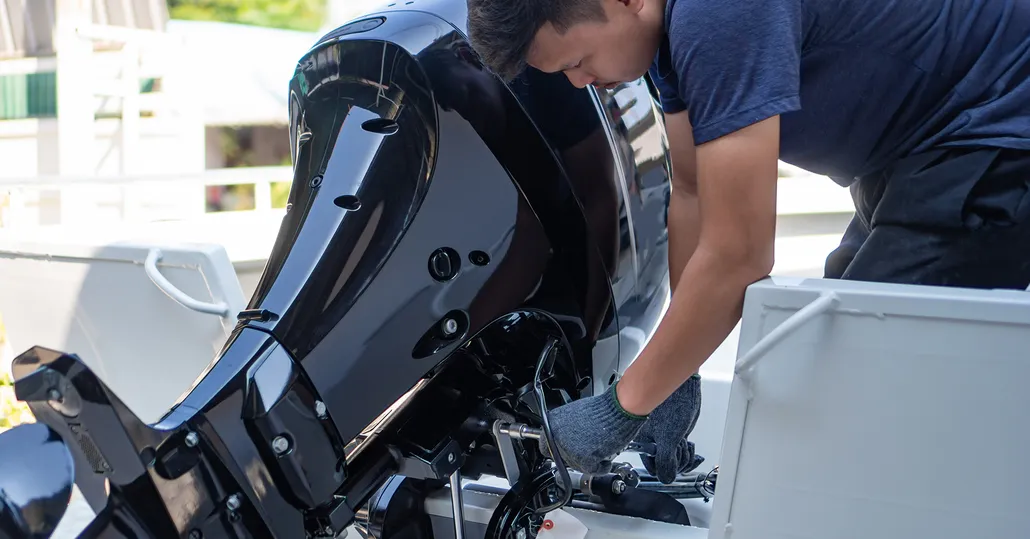
Heading into the busy July weekends means your boat is about to log some serious hours on Lake Lewisville or Grapevine Lake. By the middle of the summer, a typical North Texas boat has been run enough that minor wear and tear can start to show. Catching a small issue now—like a weak battery, a nicked propeller, or a worn pump—saves you from a frustrating breakdown during a major holiday weekend.
Taking a little time for a quick mid-season checkup keeps your boat running beautifully, your family safe, and your summer plans right on track.
1. Check Your Engine Fluids and Cooling Flow
The intense heat of a North Texas summer makes your engine work much harder to stay cool, which accelerates fluid breakdown and strains your water pumps.
- Watch Your Temperature Gauges: While cruising at normal speeds, keep an eye on your dashboard display. If you notice the temperature creeping up higher than usual, it is a strong sign that your rubber water pump impeller is starting to wear out or your thermostat is sticking.
- Look for Discolored Fluids: Pull the engine dipstick and check your lower-unit gear oil plugs. If the oil looks milky, water has sneaked past a propeller shaft seal. If the oil smells dark and burnt, it has overheated and lost its ability to protect your engine components.
- Inspect Your Propeller Blades: Run your fingers carefully along the edges of your prop blades to check for small dings, bends, or curls. Even a tiny nick can throw off the rotational balance of your propeller, creating a subtle vibration that can destroy your lower-unit bearings and gears over time.
2. Test Your Battery Bank and Steering Lines
Floating in a cove with the engine off while running a premium sound system, extra lighting, and wake pumps puts a massive load on your boat’s electrical system.
- Run a Real Battery Load Test: Don't just rely on a simple voltage reading. Have your starting and house batteries properly load-tested to make sure they can handle heavy accessory draws. Make sure your engine's alternator is actively recharging the system when the motor is running.
- Smooth Out Your Controls: Make sure your throttle handle clicks into forward and reverse smoothly without sticking. Check your steering fluid levels and take a look at the transom seals to ensure there is no leaking fluid. Stiff or jerky steering compromises your ability to dock safely in close quarters.
3. Clear Out Your Bilge and Accessory Pumps
Your boat’s onboard plumbing and pumping systems are essential for safety and recreation, meaning they deserve a mid-season inspection.
- Test the Automated Bilge Pump: Drop a little clean water into your bilge area to make sure your automatic float switch turns on instantly. The pump should cycle the water out of the hull side smoothly without making a strained humming noise.
- Flush Out Livewells and Ballast Tanks: If you have a wakesurf boat, run your ballast pumps through a full fill and drain cycle to ensure no lines are kinked. For anglers, check your livewell aerator pumps and clear away any sand, scales, or weeds that might be clogging the intake screens.
4. Give Your Boat Trailer a Quick Check
If you trailer your boat across the Dallas-Fort Worth metroplex, the blistering summer asphalt can take a heavy toll on your towing gear.
- Check Your Wheel Hubs: Take a close look at the grease seals on your trailer wheels. If you see grease splattered on the inside of the wheel rims, a seal has failed. Keep your bearing protectors filled with fresh, water-resistant marine grease to avoid a dangerous highway breakdown.
- Inspect Tires and Straps: Check your trailer tire pressure and look for uneven tread wear. Take a close look at your winch straps and transom tie-downs to ensure the Texas sun hasn't dry-rotted or frayed the fabric.
Frequently Asked Questions
Do I really need a mid-season checkup if my boat seems to be running fine? Yes, it is excellent insurance against a ruined weekend. Minor issues—like a slightly bent propeller blade or a weakening battery cell—won't always trigger an immediate dashboard warning light, but running them under heavy summer loads can lead to a costly breakdown later.
What is the fastest, highest-yield check I can do before the weekend? Testing your battery health and physically checking your propeller blades for dings give you the fastest and greatest return on your time. These two checks prevent the vast majority of common mid-summer lake failures.
Factory-Authorized Components & Expert Maintenance
Resolving mid-season mechanical wear requires specialized diagnostic tools and replacement components built to exact factory tolerances.
- Certified Mechanical Care: Whether you need a mid-season water pump overhaul, a propeller repair, or help tracing a dashboard warning code, trust the factory-trained specialists at our local Service Center to protect your boat and warranty.
- Genuine OEM Parts Counter: For do-it-yourself boaters handling their own mid-summer upkeep, our fully stocked Lewisville Parts Center carries factory-direct filters, gear oils, replacement impellers, sacrificial anodes, and heavy-duty dock fenders.
- Outboard Propulsion Modernization: If your older power plant is struggling with summer heat or experiencing frequent electrical issues, upgrading your transom through our authorized Yamaha Repower bay installs next-generation digital control and absolute reliability.
Financial Support & Trading Your Fleet
What payment choices exist for financing major boat overhauls or navigation overhauls? Our internal Financing office builds simple, customized loan plans, allowing you to bundle major mechanical upgrades, new outboards, and custom Marine Insurance protections into a single monthly plan.
Can I trade in my current watercraft toward a newer model? Yes. We offer quick, transparent, and market-accurate appraisals so you can avoid the stress of private selling. Submit your boat's details to our Sell / Trade division to apply that equity directly toward our premium inventory of New Boats or thoroughly inspected Used Boats.
How do I get in touch with the team at Phil Dill Boats? To learn more about our 70-year history of serving North Texas boaters since 1953, visit our About Us page. You can track our upcoming safe-boating clinics on our Events calendar, read maintenance tips on our Blog, or read verified family stories on our Reviews directory. To meet our team, view our Staff index. To explore your long-term warranty options, view our Extended Service Contracts page, check our latest seasonal promotions on our Specials section, or see showroom maps and holiday operating hours on our main Contact hub.