


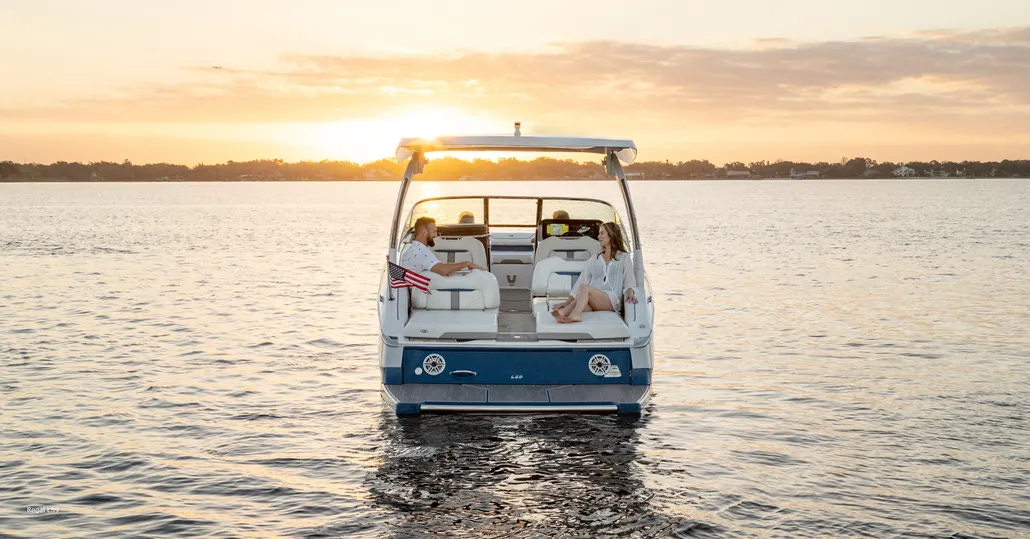
The engineering profile and design tolerances of a luxury fiberglass hull demand precise operational tracking to maintain its performance advantages. For Regal owners navigating the North Texas lakes out of Lewisville, launching your vessel for the initial trip of the season requires a higher level of scrutiny than simply ensuring the engine catches on the first crank. Whether you are running a sterndrive bowrider with a patented FasTrac V-hull, an LX-series outboard dayboat, or a high-torque LS-series surf platform, storage time introduces subtle electrical resistance and mechanical stiffening.
Implementing a systematic, time-phased launch week protocol ensures you eliminate ramp delays, protect complex onboard telemetry, and preserve your vessel's premium mechanical integrity.
Phase 1: 72 Hours Prior to Launch — Advanced Systems Diagnostic
Conducting an exhaustive electrical and mechanical validation at home gives you a three-day buffer to replace consumable hardware or address service needs before committing to a transit block.
- Load-Testing the Battery Banks: A simple voltage readout on your helm display can be highly deceptive. Batteries that have sat unexercised can hold a superficial surface charge that instantly collapses under the high amp draw of an engine starter or a high-capacity ballast pump array. Utilize a true carbon-pile load tester to verify cold cranking amps (CCA) across both your starting and deep-cycle house banks.
- Telemetry and Component Cycling: Boot up your primary chartplotters and digital switching networks to verify that your software loads cleanly and that your transducers communicate accurate depth readings. Manually cycle your navigation lights, bilge blowers, and automated bilge pumps, listening closely to ensure the pump impellers rotate freely without binding or drawing excess current.
- Propulsion and Linkage Articulation: With the engine off, shift through your forward, neutral, and reverse detents to verify that your mechanical or digital throttles engage smoothly. Rotate the helm fully from port to starboard; any sticking points, notchiness, or fluid weeping along your hydraulic steering rams indicates a critical seal failure or air pocketing that requires immediate attention.
- Service Interval Audits: Cross-reference your current helm hour-meter with your historical preservation logs. If your power plant is approaching its critical 100-hour or 200-hour maintenance thresholds, running the vessel through a heavy weekend layout without changing your lower-unit gear oil, internal sacrificial anodes, and fuel-water separator filters will accelerate component wear.
Phase 2: 24 Hours Prior to Launch — Logistics Optimization
Peak weekends on Lake Lewisville create high-density environments where disorganization at the ramp leads to immediate frustration and close-quarters liabilities. Complete all logistics the day before your launch.
- Pre-Stage Onboard Rigging Gear: Secure your high-impact marine fenders along the appropriate rail and flake your double-braided nylon dock lines cleanly on the deck layout, ensuring they are free of knots and instantly accessible to your crew.
- Trauma and Safety Layouts: Place all Coast Guard-mandated life jackets, fire extinguishers, and emergency flares in clearly marked, accessible lockers. Confirm your garboard drain plug is threaded tight, and store a secondary backup plug inside your glove compartment.
- Establish Crew Command Roles: Explicitly detail your launch-day operation before backing down the concrete ramp. Designate who handles the primary bow line, who secures the stern, and who immediately pilots the tow vehicle to the staging lot.
Phase 3: Launch Day — Mandatory Trailing Protocols
A breakdown during transit to the water can compromise your hull integrity and endanger trailing motorists. Execute a strict checklist before pulling out of your driveway.
- Atmospheric and Structural Tire Audits: Check your trailer tires to confirm they are inflated to their maximum cold PSI rating. Closely inspect the tread grooves and sidewalls for subtle dry-rot checking or flat-spotting caused by long-term storage under heavy load.
- Coupler and Chain Geometry: Verify the hitch coupler locks cleanly over the ball and that the safety pin is completely engaged. Cross your high-tensile safety chains underneath the trailer tongue to create a secure cradle that will catch the tongue if a coupler disconnects.
- Winch Line Inspections: Inspect your winch strap or cable along its entire working length, checking for frayed stitching, tear patterns, or rusted safety hooks.
- The Mid-Transit Heat Check: After towing your trailer for the initial ten miles, pull over in a secure parking zone to manually check your wheel hubs and brake actuators. Excessive heat or a pungent, metallic smell indicates binding brake calipers or immediate bearing grease failure.
Phase 4: Post-Excursion — The 10-Minute Technical Reset
The actions you take immediately after hauling your Regal out of the water directly dictate how long its premium finishes and mechanical assets remain flawless.
- Surface Gelcoat Contamination Washdown: North Texas inland waters contain fine silt, algae, and minerals that can bake onto your fiberglass and marine vinyl within hours. Spray down the entire hull sides, lower unit, and internal swim platforms, and use high-gloss detailers to neutralize hard water scaling before it pits the clearcoat.
- Atmospheric Moisture Mitigation: Remove all wet towels, life jackets, and watersports ropes from the integrated floor lockers. Storing saturated equipment inside sealed fiberglass compartments creates a stagnant environment that fosters rapid mold growth and degrades internal marine wiring.
- Log and Document Metrics: Take ten seconds to write down your precise engine hours inside a dedicated phone log. Note any slight tracking variances, slow starting sequences, or erratic temperature readings that occurred during the run so they can be diagnosed before your next planned outing.
Technical Frequently Asked Questions
Why do unexpected mechanical issues consistently emerge during the initial run of the season?
Extended storage periods allow condensation to build up inside fuel lines, promote micro-corrosion across exposed grounding points, and harden rubber seals and raw-water impellers. Components that appear functional under zero load can fail rapidly once subjected to operational heat, high vibrations, and full voltage draw.
Is it necessary to seek professional maintenance if my boat ran without issues at the end of last season?
Yes. Omitting a professional pre-season baseline inspection is a high-risk gamble. Internal water pump impellers dry out and crack over the winter months, and internal gear lubricants can suffer from silent moisture intrusion through lower unit seals, leading to rapid component failure when run under load.
Sourcing Authorized Regal Expertise
Preserving the performance profile of a luxury fiberglass vessel requires professional technical support using components calibrated to exact manufacturer tolerances.
- Certified Regal Preventative Care: From diagnosing complex electronic switching issues to executing complete lower unit pressure checks and engine oil flushes, count on our factory-trained technicians at the Phil Dill Boats Service department to keep your vessel operating at peak performance.
- Procuring Premium Hardware and Accessories: Our local DFW Parts bay stocks genuine factory-direct fluids, custom filters, sacrificial zinc anodes, high-impact replacement fenders, and high-tensile ground tackle.
- Transom and Drive Line Modernization: If your older vessel is experiencing mechanical shift lag or showing signs of engine wear, upgrading your propulsion array through our specialized Yamaha Repower office can modernize your transom with cutting-edge digital controls and absolute mechanical reliability.
Fleet Allocation and Financial Coordination
What credit frameworks exist for financing major tech or safety overhauls?
Our internal Financing office constructs customized credit packages, allowing you to bundle major component upgrades, high-performance engines, and specialized Marine Insurance into a single plan.
Can I leverage my current watercraft as a trade-in asset toward a newer Regal model run?
Yes. We facilitate transparent, market-accurate asset evaluations through our Sell / Trade division, making it highly efficient to liquidate your old hull and apply that equity directly toward our curated selection of New Boats or thoroughly inspected Used Boats.
How do I track upcoming events or get in direct contact with Phil Dill Boats?
To learn about our corporate footprint serving North Texas mariners since 1953, visit our About page. You can monitor our active schedule of safe-boating seminars and seasonal dealer events on our Events page, track continuous technical maintenance guides on our Blog, meet our technical personnel on the Staff page, or see verified customer feedback on our Reviews page. To review your long-term mechanical coverages, check our Extended Service Contracts directory, or view current dealer promotions on our Specials page. For maps and showroom hours, visit our Contact page.